European Union flag
EU Space Policy

Explore EU Space

Results (7)
News
Arctic Glacier
Earth Observation | Copernicus
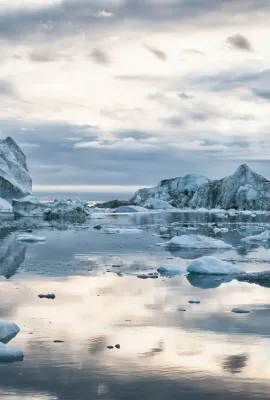
The Arctic Monitoring and Assessment Programme (AMAP) has released its Arctic Climate Change Update 2024 – Key Trends and Impacts the second in a planned series of comprehensive assessments of the rapidly changing Arctic climate. The report, published in June 2025, brings together the expertise of over 60 scientists, including from the Copernicus
News
burned area satellite
Earth Observation | Copernicus
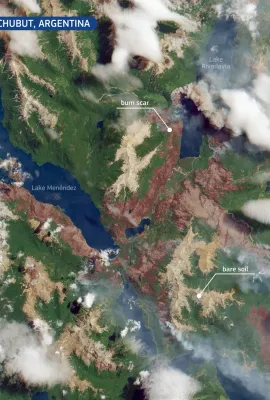
The Copernicus Atmosphere Monitoring Service (CAMS) is going through a major transition in its global fire monitoring capabilities as NASA’s long-running MODIS instruments, on the Terra and Aqua satellites, approach their retirement. Beginning on 4 December 2025, CAMS has added observations of active fires from the Visible Infrared Imaging
News
scientists
Earth Observation | Copernicus
The European Centre for Medium-Range Weather Forecasts (ECMWF) has a long-standing tradition of women in management positions. Every year, the Centre that operates the Copernicus Atmosphere Monitoring Service (CAMS) and the Copernicus Climate Change Service (C3S) pays tribute to the many women making the daily operations of this complex machine
News
Australia wildfires 2026
Earth Observation | Copernicus
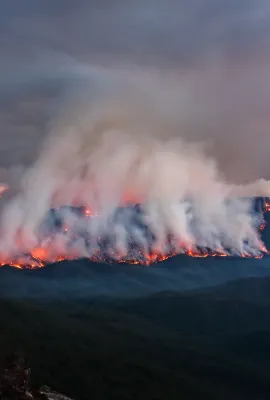
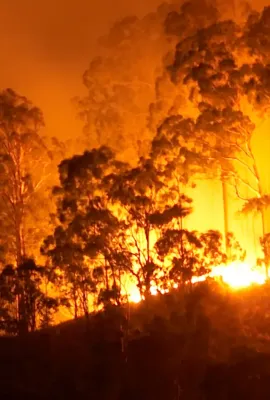
The Copernicus Atmosphere Monitoring Service (CAMS) has been tracking the high intensity and smoke emissions of wildfires burning in several countries around the Southern Hemisphere since the beginning of 2026. Fires raged in Australia’s southeastern state of Victoria in early and late January following days of record high temperatures. Up to
News
Woods fire
Earth Observation | Copernicus
In 2025, the Copernicus Atmosphere Monitoring Service (CAMS*) continued to track wildfire emissions worldwide, offering detailed insights into fire intensity, associated emissions and atmospheric impacts. Several parts of the world saw significant wildfire activity, with record high emissions in Europe, and Canada recording its second-highest
News
Johannes Flemming
Earth Observation | Copernicus
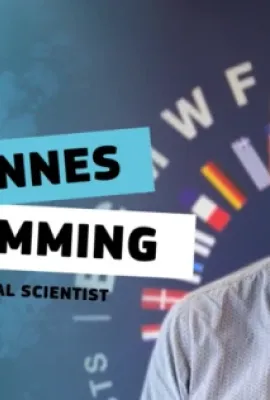
In the third episode of our “Ask a Scientist” series, Johannes Flemming, Principal Scientist at the European Centre for Medium-Range Weather Forecasts (ECMWF), takes us on a journey to the Earth’s upper atmosphere to explain one of the most significant impacts of human activity on our planet's atmosphere: the Antarctic ozone hole.Each year, during
News
Hero
Earth Observation | Copernicus
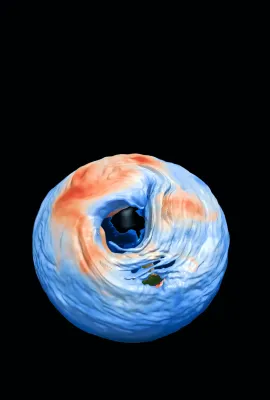
The 2025 Antarctic ozone hole has come to an end on 1 December, marking the earliest closure since 2019. The 2025 ozone hole was also relatively small for the second consecutive year compared to the large and long-lasting ozone holes from 2020-2023, and had higher ozone concentrations, fueling hopes for recovery. Several stratospheric dynamics