European Union flag
EU Space Policy

Explore EU Space

Results (62)
Service
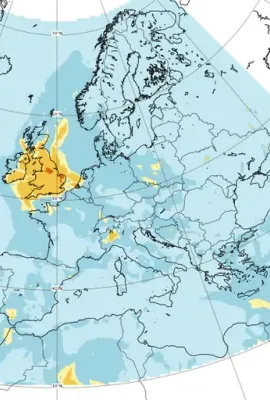
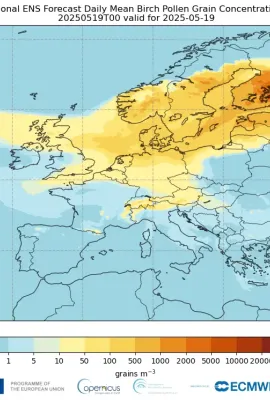
Daily mean of CAMS regional ensemble forecast of birch pollen grain concentrations initialized at 00
Earth Observation | Copernicus
This bulletin highlights some of the significant atmospheric composition-related events that took place during the boreal spring (March, April and May) of 2025.
Service
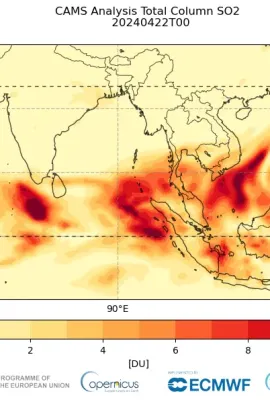
cams_tcso2_an_ruang_20240422T00.png
Earth Observation | Copernicus
The Copernicus Atmosphere Monitoring Service routinely tracks key indicators of the composition of the atmosphere all around the globe, including surface air quality in Europe, smoke emissions from wildfires, and global concentrations of atmospheric pollutants and greenhouse gases, amongst others. During the boreal spring (March-April-May) 2024
Service
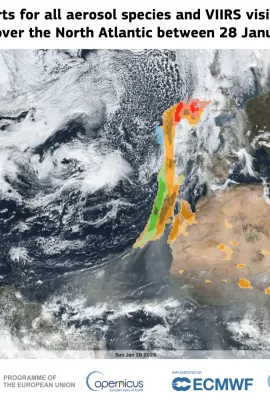
cams-aerosol%20alerts.png
Earth Observation | Copernicus
The Copernicus Atmosphere Monitoring Service routinely tracks key indicators of the composition of the atmosphere all around the globe, including surface air quality in Europe, smoke emissions from wildfires, and global concentrations of atmospheric pollutants and greenhouse gases, amongst others.
Service
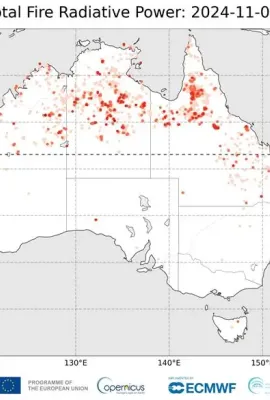
cams_gfas_9925_frpfire_Australia_november_2024
Earth Observation | Copernicus
This bulletin highlights some of the significant atmospheric composition-related events that took place during the boreal autumn (September-October-November) of 2024.
Service
CAMS on air
Earth Observation | Copernicus
CAMS on air
Service
CAMS on air
Earth Observation | Copernicus
Press
Service
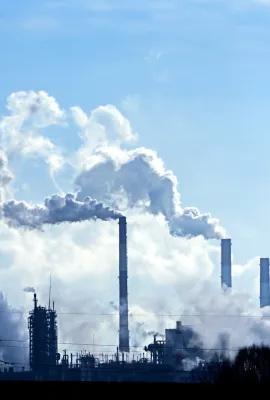
Air pollution from smoke coming out of factory chimneys
Earth Observation | Copernicus
The following Q&As are designed to help explain how CO2 relates to climate change and how the Copernicus Atmosphere Monitoring Service (CAMS), implemented by the European Centre for Medium-Range Weather Forecasts on behalf of the European Commission, has a vital role to play in monitoring and forecasting greenhouse gas concentrations. What is
Service
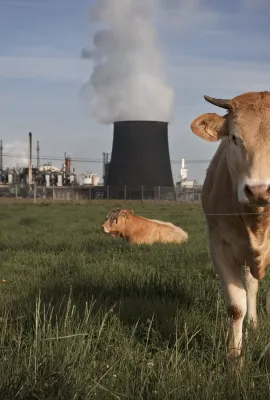
cow and factory
Earth Observation | Copernicus
The following Q&As are designed to help explain how CH4 relates to climate change and how the Copernicus Atmosphere Monitoring Service (CAMS), implemented by the European Centre for Medium-Range Weather Forecasts on behalf of the European Commission, has a vital role to play in monitoring and forecasting greenhouse gas concentrations. What is
Service
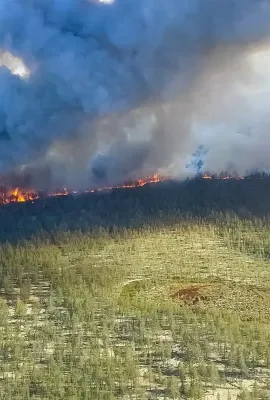
Wildfires
Earth Observation | Copernicus
How does CAMS monitor wildfires? CAMS provides up-to-date information on the location, intensity, and emissions of wildfires, vegetation fires and open burning around the world through its Global Fire Assimilation System (GFAS). This information is based on measurements from instruments on satellites that are able to detect the fire radiative
Service
Reanalysis
Earth Observation | Copernicus
The following Q&As are designed to help explain how reanalysis is a crucial tool in providing high quality and accurate data relating to our climate and atmosphere.
Service
Desert dust
Earth Observation | Copernicus
The following answers to commonly asked questions are designed to help further explain desert dust transport and its impact.
Service
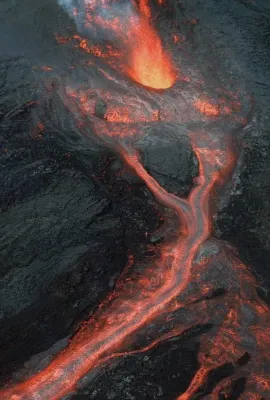
Volcano erupting
Earth Observation | Copernicus
The following Q&As explain how CAMS monitors SO2 emissions resulting from volcanic eruptions.
Service
people discussing
Earth Observation | Copernicus
Q&As
Service
Regulated pollutants chart
Earth Observation | Copernicus
Forecasts of the five main air pollutants regulated by the European Union and the World Health Organization air quality standards: nitrogen dioxide (NO2), ozone (O3), coarse particulate matter (PM10), fine particulate matter (PM2.5) and sulphur dioxide (SO2).
Service
Other air quality pollutants chart
Earth Observation | Copernicus
European forecasts for other air quality pollutants: ammonia, carbon monoxide, formaldehyde, glyoxal, nitrogen monoxide, non-methane VOCs, peroxyacyl nitrates.
Service
Aerosol tracers charts
Earth Observation | Copernicus
European forecasts for the main secondary aerosols tracers: dust, PM10 produced by wildfires, residential elementary carbon, secondary carbon, total elementary carbon.
Service
Pollens charts
Earth Observation | Copernicus
CAMS regional ensemble produces forecasts for the main allergen pollen species: alder, birch, grass, mugwort, olive, ragweed.
Service
CAMS scientist answers ozone hole questions
Earth Observation | Copernicus
Every day CAMS provides four-day forecasts of the EU-WHO regulated pollutants, other air quality pollutants, pollens and aerosol tracers for Europe based on CAMS’ regional ensemble model. The maps are accessible below, and the full range of European forecast charts and maps
Service
data page
Earth Observation | Copernicus
At the core of our service is providing access to data and tools related to atmospheric monitoring. We also support our users by providing quality assurance information, and advice on how to use and interpret data.

Showing 41-60 of 62 results